
Caring for your child’s teeth is one of the most important steps you can take to ensure their overall health and well-being. From infancy through the teenage years, establishing good dental habits helps prevent cavities, gum disease, and the need for emergency dental care. For families living in Spring Hill, Lutz, Tampa, Zephyrhills, and throughout the Tampa Bay area, understanding how to maintain healthy teeth is vital. This blog explores practical ways to care for your child’s teeth and how to recognize when urgent dental attention might be necessary.
The Importance of Early Dental Care
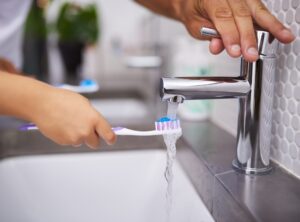
The foundation of a child’s dental health begins long before their first tooth appears. Even before teeth emerge, wiping a baby’s gums with a soft, damp cloth can help remove bacteria and establish a routine. Once the first tooth arrives, it’s essential to begin brushing twice daily using a small, soft-bristled toothbrush and a rice-sized amount of fluoride toothpaste. Early dental care prevents the buildup of plaque, which can lead to cavities and gum inflammation. It also sets a positive tone, helping children feel comfortable with oral hygiene practices.
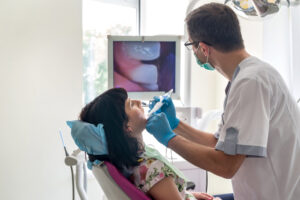
Regular dental checkups should begin by the child’s first birthday. These early visits allow dentists to monitor tooth development and identify any early signs of problems. Pediatric dentists can provide guidance on teething, proper brushing techniques, and dietary recommendations to promote strong teeth. Parents should also be aware that baby teeth are important placeholders for permanent teeth, so maintaining their health directly impacts future dental alignment and function.
Establishing Healthy Daily Habits
Teaching children good oral hygiene habits is critical to long-term dental health. Encourage your child to brush their teeth for at least two minutes twice a day, preferably after breakfast and before bed. Using a timer or a favorite song can make brushing more enjoyable and effective. Flossing should begin as soon as two teeth touch, usually around the age of two or three. While flossing can be challenging for young children, parental assistance ensures plaque is removed from between teeth where toothbrushes can’t reach.
Diet also plays a significant role in dental health. Limiting sugary snacks and drinks reduces the risk of tooth decay. Encourage children to drink plenty of water and eat a balanced diet rich in fruits, vegetables, lean proteins, and dairy products. Chewing crunchy fruits and vegetables stimulates saliva production, which helps neutralize acids and cleanse the mouth. Avoiding frequent snacking between meals can also help prevent acid attacks on tooth enamel.
Recognizing and Preventing Dental Emergencies
Despite the best preventive efforts, dental emergencies can happen, especially for active children. Common emergencies include toothaches, knocked-out teeth, cracked or broken teeth, and injuries to the mouth or gums. Knowing how to respond quickly can save your child’s smile and reduce pain.
If a child experiences a toothache, it may indicate a cavity or infection and should be evaluated by a dentist promptly. For a knocked-out permanent tooth, immediate action is crucial: rinse the tooth gently, avoid scrubbing the root, and try to place it back in the socket if possible, or keep it in milk or saliva until professional care is available. Cracked or broken teeth should be rinsed with warm water and any bleeding controlled with gauze. Mouth injuries that cause swelling, bleeding, or difficulty breathing require urgent medical attention.
Preventing dental emergencies involves protective measures like wearing mouthguards during sports and teaching children to avoid chewing hard objects like ice or pencils. Ensuring safe play environments can also reduce the risk of falls or trauma to the face and mouth.
Encouraging Positive Attitudes Toward Dental Care
Children’s attitudes toward dental care are shaped early on by parents and caregivers. Creating a positive, stress-free experience around brushing, flossing, and dental visits encourages lifelong good habits. Avoid using negative language about dental procedures or dentists, as this can increase anxiety and resistance. Instead, emphasize the importance of a bright, healthy smile and praise children for their efforts.
Reading books about visiting the dentist or watching educational videos can familiarize children with what to expect. Letting children bring a favorite toy to the dental appointment or offering small rewards for good behavior can also create a positive association. When children feel supported and understood, they are more likely to take ownership of their oral hygiene and seek dental care proactively.
When to Seek Professional Help
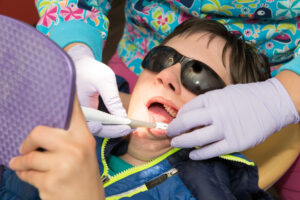
Even with diligent home care, some dental issues require professional evaluation and treatment. Signs such as persistent tooth pain, visible cavities, swollen or bleeding gums, bad breath that doesn’t improve with brushing, or loose teeth outside of the normal development timeline should prompt a dental visit. Early intervention can prevent more serious complications and reduce the likelihood of emergency dental visits.
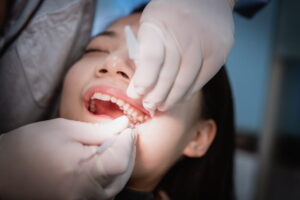
Parents should also schedule regular dental exams every six months or as recommended by their dentist to monitor growth and development. Professional cleanings remove plaque and tartar buildup that brushing and flossing cannot eliminate. Fluoride treatments and dental sealants can provide additional protection against decay, especially for children at higher risk.
Maintaining communication with your dentist about your child’s dental health ensures that any concerns are addressed promptly. This partnership between home care and professional support is the best way to keep your child’s teeth healthy and strong.
Caring for your child’s teeth is an ongoing commitment that pays lifelong dividends. By starting early, establishing healthy habits, preventing emergencies, encouraging positive attitudes, and seeking timely professional care, parents can help their children maintain bright, healthy smiles for years to come. For families in Spring Hill, Lutz, Tampa, Zephyrhills, and the entire Tampa Bay area, this knowledge is especially valuable to avoid dental crises and promote lasting oral health.
If you have concerns about your child’s dental health or want to learn more about preventing emergencies, Just Pull It, serving the Tampa Bay area, is a resource you can trust.
Resources:
American Academy of Pediatric Dentistry. (2023). Guideline on Infant Oral Health Care. Pediatric Dentistry.
Centers for Disease Control and Prevention. (2022). Oral Health Tips for Parents and Caregivers. CDC.gov
American Dental Association. (2023). Tips for Preventing Dental Emergencies in Children. ADA.org