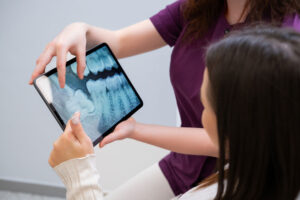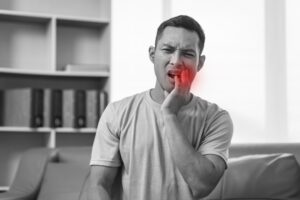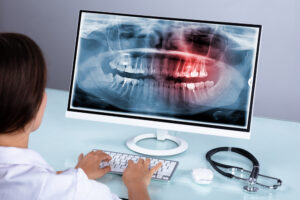

Dental pain can strike suddenly, making it difficult to eat, sleep, or focus on daily tasks. Many patients in Spring Hill, Lutz, Tampa, Zephyrhills, Clearwater, and Port Richey experience episodes of pain that require relief while they wait for their scheduled dental visit. Just Pull It, led by Dr. Jeff Hameroff, is well known throughout the Tampa Bay area for helping patients with urgent dental problems. This educational guide explains effective, safe methods to manage dental pain at home before professional care is available. Understanding these strategies can help stabilize discomfort and prevent symptoms from worsening while awaiting evaluation.
Why Dental Pain Occurs and What It Means
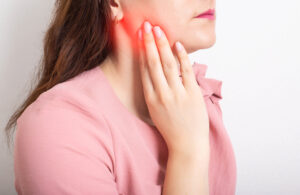
Dental pain typically begins when irritation or damage occurs within a tooth or its surrounding tissues. Cavities, cracked teeth, gum infections, or trapped debris can cause sensitivity or throbbing discomfort. Sometimes the pain is temporary and related to mild inflammation, but other times it can signal deeper issues such as infection or nerve involvement. When pain comes on suddenly and intensifies, it may suggest that bacteria are affecting the tooth’s internal structures or the surrounding gums.
The nature of dental pain varies depending on the cause. Sharp pain often arises from temperature changes or pressure, while dull, steady pain may indicate inflammation inside the tooth. When discomfort becomes persistent, radiates to the jaw or ear, or worsens when lying down, these signs may point to infection or pressure buildup. Recognizing the characteristics of your pain can help you choose the best temporary relief method while you wait for your appointment. Even when home remedies provide comfort, the underlying cause still needs to be evaluated to prevent complications.
Fast Relief Options You Can Use Immediately
When dental pain becomes overwhelming, specific at-home strategies can rapidly reduce discomfort. These methods are safe and effective for short-term relief and can help stabilize symptoms until professional care is available. Popular fast-acting strategy include:
• Over-the-counter pain relievers
• Warm saltwater rinses
• Cold compresses
• Clove oil application
• Peppermint tea bag compresses
Over-the-counter pain relievers, when used as directed, often provide the quickest relief by reducing inflammation and calming irritated nerves. Warm saltwater rinses help cleanse the mouth, reduce bacteria, and soothe inflamed tissues. Cold compresses are especially effective when swelling is present, as they help numb the area and decrease discomfort. Clove oil contains eugenol, a natural numbing compound that can temporarily soothe the tooth when applied carefully with a cotton swab. Peppermint tea bags, once cooled, can also help calm irritated gums and offer mild numbing effects. These options may not resolve the underlying problem, but they can make waiting for care much more manageable.
Home Care Techniques That Reduce Pressure and Irritation
Certain habits can aggravate dental pain, while others can help minimize discomfort. Avoiding very hot, very cold, or overly sweet foods can help prevent sensitivity from flaring, especially when the tooth’s nerve is irritated. Staying hydrated and drinking lukewarm water can help keep the area clean without triggering additional pain. Patients should also avoid chewing on the affected side, as pressure can worsen inflammation or cause cracked teeth to shift.
Gently improving oral hygiene can also reduce irritation. Soft brushing and flossing can help remove trapped food or plaque that may be contributing to discomfort. Rinsing with warm saltwater two or three times a day can help control bacteria and soothe tissues without being harsh. These simple adjustments prevent further strain on the affected area and help maintain stability until the dental appointment arrives. While these steps are not a substitute for treatment, they play an essential role in reducing pain and preventing complications.
When Pain Relief Methods Are Not Enough
Even with effective home care, specific symptoms indicate that dental pain may be part of a more serious issue. Swelling in the face or gums, fever, persistent bad taste, or pain that becomes severe or spreads to other areas may suggest infection. Difficulty swallowing, trouble breathing, or swelling that affects the jaw’s movement requires immediate evaluation. These symptoms can escalate quickly and should not be ignored, as they may reflect conditions that pose risks beyond the mouth.
Pain that disrupts sleep or becomes significantly worse despite home remedies also warrants prompt attention. Dental infections rarely improve without professional care, and delaying evaluation can lead to complications such as abscess formation or damage to surrounding tissues. Understanding when home remedies are no longer sufficient helps patients make timely decisions that protect their oral health and overall well-being. While temporary relief is helpful, persistent or intense symptoms should always be addressed as soon as possible.
Preparing for Your Appointment and Protecting Your Health
Effective pain relief before your appointment helps you stay comfortable, but addressing the underlying issue is essential for long-term health. Dental pain is often a warning sign that something deeper needs attention, whether it involves decay, infection, or structural damage. Professional evaluation ensures the root cause is identified and appropriately addressed, preventing the problem from worsening. Taking steps early helps protect surrounding teeth, gums, and bone structures from additional harm.
For patients throughout Spring Hill, Lutz, Tampa, Zephyrhills, Clearwater, and Port Richey, knowing how to manage dental pain at home provides peace of mind while waiting for care. Just Pull It, led by Dr. Jeff Hameroff, continues to be a familiar presence in the Tampa Bay area, reminding individuals that prompt response to dental pain is essential. With the right combination of fast-relief techniques and timely evaluation, patients can effectively reduce discomfort and take proactive steps toward restoring their oral health.
References
Miller, J. T. (2019). Acute Dental Pain Management Strategies. Journal of Oral Health Research.
Santos, R. M. (2020). Home-Based Approaches for Temporary Toothache Relief. Clinical Dentistry Review.
Walker, L. P. (2018). Inflammation, Nerve Irritation, and Dental Pain Progression. International Journal of Dental Medicine.