At Just Pull It, we often meet patients who come in with preconceived ideas about orthodontic care. From word-of-mouth advice to internet myths, it can be difficult to separate fact from fiction. Orthodontic treatment is an evolving field that uses advanced science and technology to correct teeth and jaw alignment. However, misinformation often discourages patients from pursuing care that could improve their health and confidence. This blog, with insight from Dr. Jeff Hameroff, will clear up some of the most common myths about orthodontic treatment for patients in Spring Hill, Lutz, Tampa, Zephyrhills, and throughout the Tampa Bay area.
Myth 1: Orthodontic Treatment Is Only for Children
A widespread belief is that orthodontic treatment is meant solely for children and teenagers. While it is true that early intervention can guide the growth of developing jaws and teeth, orthodontics is not limited by age. Adults can benefit from braces and aligners just as much as younger patients. Modern treatment options are designed to address the unique dental needs of adults, whether that means correcting crowding, bite issues, or spacing.
Many adults delay treatment due to misconceptions about age, but orthodontists frequently treat patients in their 30s, 40s, and beyond. Straightening teeth later in life not only enhances appearance but also reduces the risk of gum disease, tooth wear, and jaw pain. Orthodontics at any age can create healthier, more functional smiles.
Myth 2: Braces Are Always Painful
Another myth is that braces are unbearably painful. While discomfort is normal when braces are adjusted or aligners are changed, the process is generally mild and temporary. Advancements in orthodontic technology have made appliances more comfortable than in the past. Smaller brackets, lighter wires, and removable aligners all contribute to a gentler experience.
The discomfort many patients recall often comes from outdated treatments or lack of proper adjustment. Today, orthodontists are trained to minimize irritation, and most patients adapt quickly. Describing treatment as “painful” is misleading—what patients typically experience is pressure, which is a natural sign that teeth are moving into healthier positions.
Myth 3: Orthodontics Is Purely Cosmetic
Some people believe orthodontics is only about creating a straighter smile for aesthetic reasons. While the cosmetic benefits are undeniable, orthodontic treatment goes far beyond appearance. Properly aligned teeth improve bite function, reduce strain on the jaw, and help prevent uneven tooth wear. Misaligned teeth can trap food more easily, increasing the risk of decay and gum problems.
Orthodontics can also improve speech and chewing efficiency. For children, addressing misalignment early can guide proper growth and prevent more complex issues in adulthood. The health benefits of orthodontics are significant, making it an essential treatment rather than a cosmetic luxury.
Myth 4: Treatment Takes Too Long
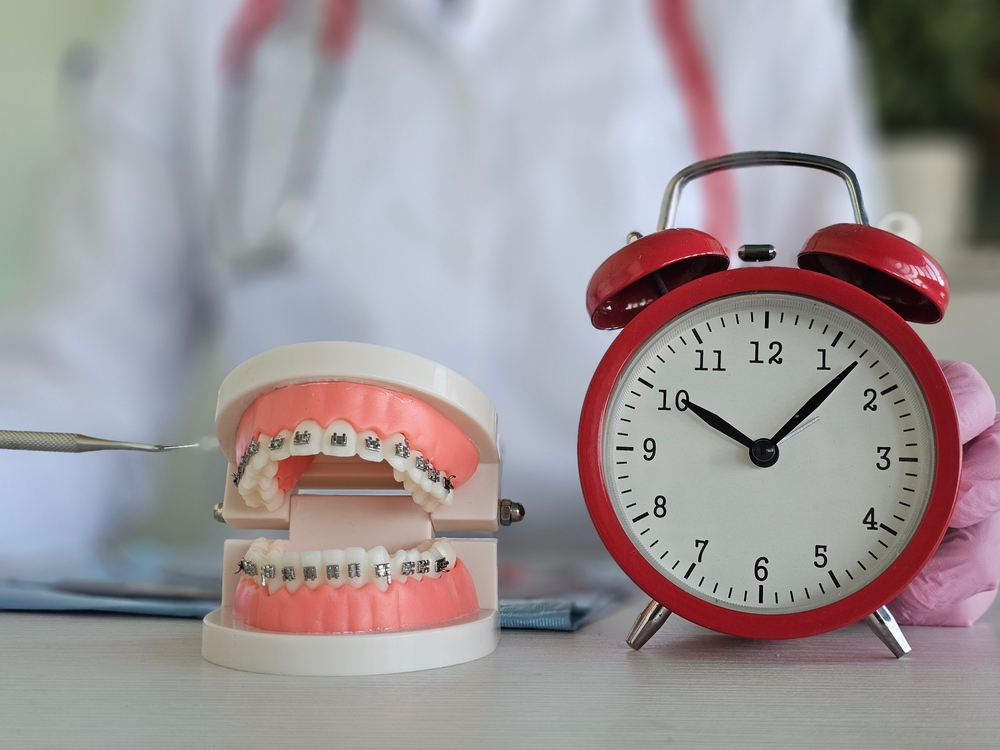
Many patients hesitate to pursue orthodontics because they assume treatment will take several years. While some complex cases do require longer treatment, modern approaches have dramatically shortened timelines. On average, treatment may last 12 to 24 months, depending on the severity of the case.
Advances like self-ligating braces, digital treatment planning, and clear aligners allow orthodontists to move teeth more efficiently and predictably. Patients who follow instructions and maintain excellent oral hygiene often complete treatment faster than expected. The idea that orthodontics requires an endless commitment is outdated and no longer accurate.
Myth 5: Orthodontics Is Too Expensive
Cost is one of the most common concerns for patients considering orthodontic treatment. The misconception is that orthodontics is unaffordable or not worth the investment. In reality, many practices offer flexible payment plans and financing options, making treatment more accessible than ever. Insurance may also cover part of the cost, particularly for children.
More importantly, orthodontics should be seen as an investment in long-term health. Addressing misalignment can prevent costly dental issues later in life, such as advanced gum disease, cracked teeth, or jaw problems. The financial benefits of prevention often outweigh the upfront expense.
Separating Fact from Fiction
Orthodontic treatment has advanced considerably, but myths still discourage people from pursuing care. By understanding the truth, patients can make informed decisions about their health. At Just Pull It, Dr. Jeff Hameroff encourages residents of Spring Hill, Lutz, Tampa, Zephyrhills, and the greater Tampa Bay area to learn the facts and explore the benefits orthodontics can offer. Straightening teeth is not just about looks—it is about creating healthier, more confident lives.
Resources
Proffit, W. R., Fields, H. W., & Larson, B. (2018). Contemporary Orthodontics. Elsevier Health Sciences.
American Association of Orthodontists. (2022). Orthodontic Treatment Basics. Journal of Clinical Orthodontics.
Chen, M., Wang, D. W., & Wu, L. P. (2019). Adult Orthodontics: A Review of Treatment Considerations. Progress in Orthodontics.