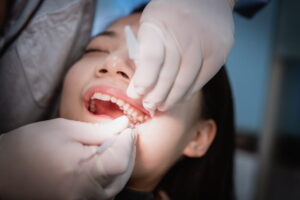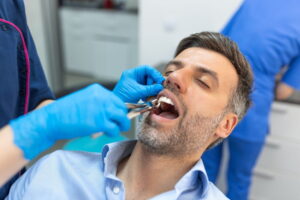

Just Pull It is well known throughout the Tampa Bay area for helping patients deal with urgent dental problems, and a cracked or broken tooth is one of the most common emergencies people try to ignore. In places like Lutz, Tampa, Spring Hill, Zephyrhills, Port Richey, and Clearwater, busy schedules or fear of treatment often cause patients to delay care. Unfortunately, even a small crack can turn into a serious dental issue if it’s left untreated.
A Cracked Tooth Is More Than a Cosmetic Issue
Small damage can hide big problems
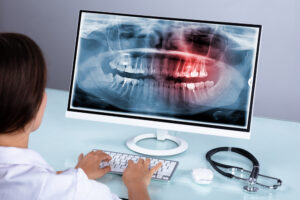
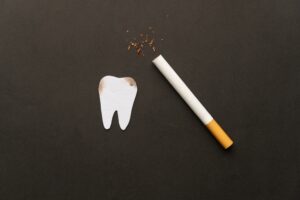
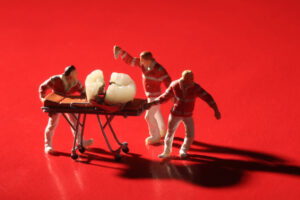
A cracked or broken tooth may not always cause immediate pain, which leads many patients to believe it isn’t serious. However, cracks can extend below the surface of the tooth and expose the inner layers, including dentin and pulp. Once these areas are exposed, bacteria can easily enter, increasing the risk of infection and inflammation. What starts as a minor chip can eventually compromise the entire structure of the tooth.
Beyond infection, cracks weaken the tooth’s ability to withstand everyday pressure from chewing and grinding. Over time, the damage can worsen, especially when eating hard or sticky foods. This gradual breakdown often results in sudden pain or complete tooth fracture, turning a manageable issue into a dental emergency.
The Risk of Infection and Severe Pain
Why bacteria are a major concern
When a tooth is cracked or broken, it creates an entry point for bacteria that normally live in the mouth. These bacteria can reach the pulp, where nerves and blood vessels are located, leading to inflammation or abscess formation. Dental infections can cause throbbing pain, swelling, fever, and even spread to other areas of the body if left untreated.
Pain from an infected tooth often intensifies without warning. Many patients report that discomfort becomes unbearable at night or during meals. In some cases, infection-related pressure inside the tooth can make even mild temperature changes extremely painful, significantly affecting daily life.
Long-Term Consequences of Delaying Treatment
Tooth loss and complex procedures
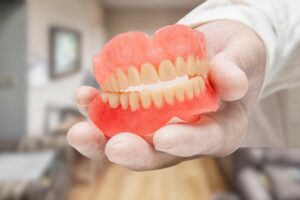
Ignoring a cracked or broken tooth can eventually lead to tooth loss. Once the structural integrity of a tooth is compromised beyond repair, removal may be the only viable option. Procedures such as tooth extraction are sometimes necessary when damage or infection becomes severe.
Delaying care can also mean more complex treatment and longer recovery times. Early intervention may allow for simpler solutions, while prolonged neglect often leads to increased costs, more discomfort, and the need for additional procedures.
When Emergency Care Becomes Necessary
Signs you should not ignore
A cracked or broken tooth often requires urgent evaluation, especially when symptoms escalate. Warning signs include:
- Persistent or sharp pain when chewing
- Sensitivity to hot or cold
- Swelling of the gums or face
- A visible crack extending toward the gumline
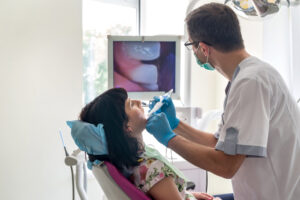
For patients experiencing severe anxiety or pain during urgent treatment, options like IV sedation can help make emergency dental care more manageable while addressing the underlying problem promptly.
Protecting Your Oral Health Moving Forward
Prevention and early action
Protecting your teeth starts with recognizing that any crack or break deserves attention. Wearing mouthguards during sports, avoiding chewing ice, and addressing grinding habits can reduce the risk of damage. Regular dental checkups also help detect small cracks before they worsen.
Just Pull It emphasizes the importance of taking dental injuries seriously, especially in emergency situations. Addressing a cracked or broken tooth early can prevent pain, infection, and tooth loss, helping patients across the Tampa Bay area maintain better long-term oral health.
Resources:
American Dental Association. (2023). Cracked Teeth: Symptoms and Treatment. Journal of the American Dental Association.
Mayo Clinic Staff. (2024). Tooth Damage and Infection Risks. Mayo Clinic Health Information.
Cleveland Clinic. (2023). Dental Emergencies and When to Seek Care. Cleveland Clinic Medical Journal.