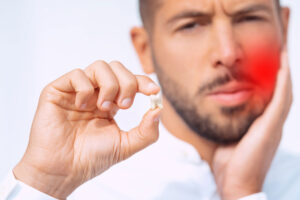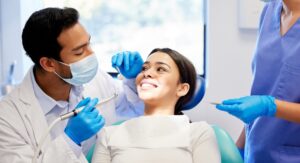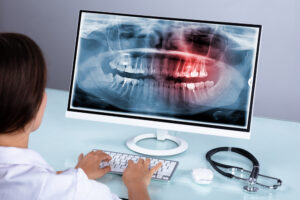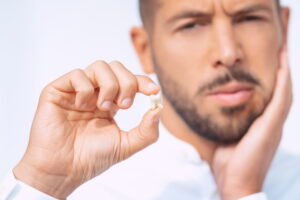
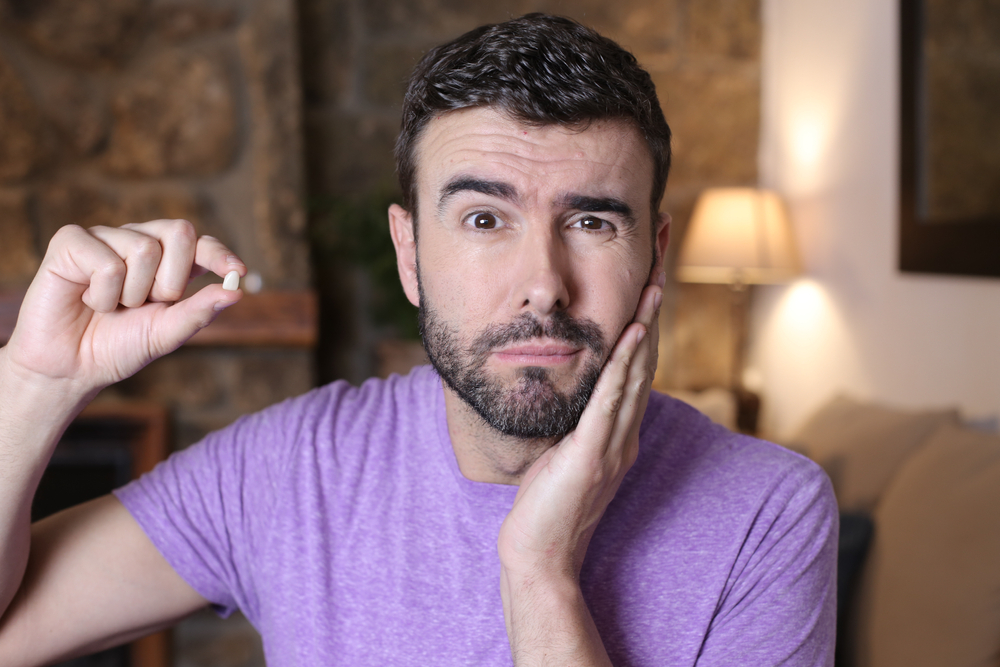
At Just Pull It, one of the most urgent dental emergencies patients face is losing a tooth. Whether caused by an accident, sports injury, or biting into something unexpectedly hard, a lost tooth is a stressful experience. What many people do not realize is that quick and careful action can often save the tooth if handled correctly. Dr. Jeff Hameroff stresses that knowing what to do in those critical first moments gives patients in Spring Hill, Lutz, Tampa, Zephyrhills, and across the Tampa Bay area the best chance of keeping their natural tooth.
Understanding Why Teeth Are Lost
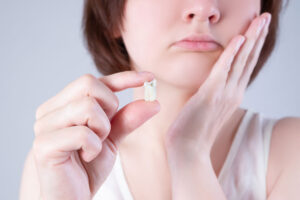
Tooth loss in emergencies most often occurs due to trauma, such as falls, sports collisions, or accidents. In other cases, weakened teeth from decay, gum disease, or large fillings may be more vulnerable and can dislodge under pressure. Unlike losing a baby tooth during childhood, losing a permanent tooth is always a cause for concern because the tooth will not grow back.
The root of the tooth contains delicate cells and fibers that are critical for successful reattachment. These cells begin to deteriorate quickly after the tooth leaves the socket, which is why immediate action is so important. Even if the tooth looks dirty or damaged, it may still be possible to save it with proper care.
Immediate Steps to Take After Losing a Tooth
What you do in the minutes after losing a tooth often determines whether it can be reimplanted. Patients should remember the following key steps:
- Handle the tooth by the crown only, not the root, to avoid damaging delicate tissue.
- If dirty, gently rinse the tooth with milk or saline. Avoid scrubbing or using soap.
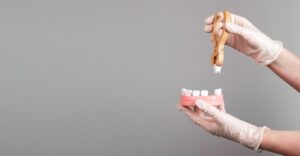
- Try to place the tooth back into its socket if possible, holding it gently in place by biting down on gauze or a clean cloth.
- If reinsertion is not possible, store the tooth in a container of milk, saline solution, or saliva to keep it moist.
- Seek professional dental care immediately, ideally within an hour.
These steps are simple but crucial for preserving the tooth and improving the chances of successful reattachment.
Why Time Is Critical
Every minute counts when it comes to saving a lost tooth. The periodontal ligament cells on the root begin to die as soon as the tooth is outside of the mouth. Reimplantation is most successful if it occurs within the first hour, though in some cases a tooth may still be saved if properly stored for up to two hours.
Delays in treatment increase the likelihood of complications, such as infection or failure of the tooth to reattach. Even if the tooth cannot be saved, immediate care helps protect the socket and surrounding tissues, preparing the area for possible restorative options like implants or bridges in the future.
Managing Pain and Swelling After Tooth Loss
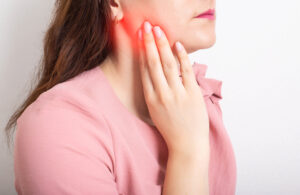
Losing a tooth is often painful and may be accompanied by bleeding and swelling. Rinsing the mouth gently with warm water helps keep the area clean. Applying a clean gauze pad with light pressure can help control bleeding, while a cold compress on the outside of the cheek can reduce swelling and discomfort. Over-the-counter pain relievers may provide temporary relief, but they should not be placed directly on the gums.
Staying calm and following these steps allows patients to manage the discomfort while focusing on preserving the tooth and seeking timely treatment.
Long-Term Options if the Tooth Cannot Be Saved
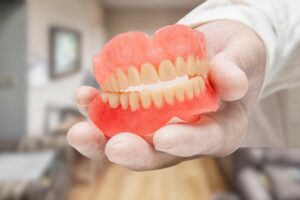
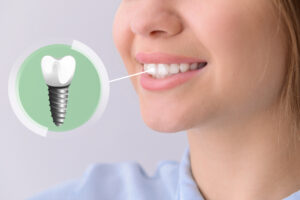
In some cases, despite best efforts, the tooth cannot be reimplanted. Fortunately, there are several effective long-term solutions to restore both function and appearance. Dental implants are often the preferred option, providing a durable and natural-looking replacement. Bridges and partial dentures are other alternatives that can fill the gap and prevent surrounding teeth from shifting out of place.
The right solution depends on the patient’s overall oral health, the location of the lost tooth, and personal preferences. Even when a natural tooth cannot be saved, modern dentistry offers reliable ways to restore a complete and healthy smile.
Staying Prepared and Informed
Losing a tooth can be a frightening experience, but knowing the proper steps can make the difference between saving or losing it permanently. From handling the tooth correctly to seeking immediate care, preparation is key. At Just Pull It, Dr. Jeff Hameroff reminds patients in Spring Hill, Lutz, Tampa, Zephyrhills, and the greater Tampa Bay area that quick action is the most important tool in protecting oral health during this type of emergency. Being informed ensures patients are ready to respond calmly and effectively when it matters most.
Resources
Andreasen, J. O., Borum, M. K., Jacobsen, H. L., & Andreasen, F. M. (1995). Replantation of 400 Avulsed Permanent Incisors. Endodontics & Dental Traumatology.
Trope, M. (2002). Avulsion of Permanent Teeth: Theory to Practice. Dental Traumatology.
Flores, M. T., Andersson, L., & Andreasen, J. O. (2007). Guidelines for the Management of Traumatic Dental Injuries. Dental Traumatology.